Healthy Aging: Practical Ways to Live Longer and Maintain Quality of Life
Most people want more than a long life. They want to remain healthy, independent, and able to do the things they enjoy.
Lifestyle choices can play an important role in healthy aging. Irene Hamrick, MD, Professor Emerita at the University of Cincinnati and Practical Geriatrician with PG-65, LLC, has identified several evidence-based habits that may help older adults maintain their health and quality of life.
Her recommendations address physical health, sleep, nutrition, social connection, emotional well-being, and purpose.
1. Maintain a Healthy Weight Throughout Life
Maintaining a healthy weight and avoiding excess calorie intake may support healthier aging. Research on calorie restriction has found metabolic and biological changes associated with improved health and potentially slower biological aging.
Rather than focusing on extreme calorie restriction, older adults should aim for a healthy eating pattern and weight that supports strength, mobility, and overall health.
2. Stay Physically Active
Regular exercise is one of the most important components of healthy aging.
Older adults should:
- Get at least 150 minutes of moderate-intensity aerobic activity each week.
- Include muscle-strengthening exercises.
- Add activities that improve balance.
- Choose physical activities they enjoy and are more likely to continue.
- Increase activity beyond the minimum recommendation when appropriate and medically safe.
Dr. Hamrick encourages daily movement and notes that more physical activity can provide additional benefits.
3. Eat a Nutritious, Plant-Forward Diet
Healthy eating patterns can help support cardiovascular health, brain health, and healthy aging.
Dr. Hamrick recommends:
- Eating more vegetables, especially green leafy vegetables.
- Including fruits, nuts and legumes.
- Choosing whole grains.
- Eating fish and seafood more often.
- Limiting red and processed meats.
- Making plant foods a substantial part of the diet.
Her presentation describes this approach as eating “fewer feet”—favoring fish and seafood over poultry and poultry over four-legged animals such as beef and pork.
Related Article: Discover Cincinnati’s Top Senior Specials and Begin Saving
4. Discuss Vitamins and Supplements with a Healthcare Professional
Nutritional needs can change with age. Some older adults may benefit from a multivitamin formulated for seniors, which may contain different amounts of vitamin D, vitamin B12, iron, and other nutrients than standard formulations.
High-dose vitamin supplements are not automatically better and may sometimes be harmful. Older adults should discuss supplements with a physician, pharmacist, or other qualified healthcare professional.
5. Pay Attention to Sleep and Sleep Apnea
Sleep patterns commonly change with age. Older adults may wake more frequently during the night and spend less time in deep sleep.
However, loud snoring, repeated pauses in breathing, or gasping during sleep should not be dismissed as normal aging. These symptoms may indicate sleep apnea, which should be evaluated and treated.
Older adults should also discuss regular or long-term use of sleep medications with their healthcare providers because some medications can increase risks such as confusion, cognitive impairment, and falls.
6. Stay Socially Connected
Social connection is an important component of healthy aging.
Regular interaction with friends, relatives, neighbors, faith communities, social groups, and community organizations can help older adults remain engaged and connected.

7. Maintain a Sense of Purpose
Meaningful activities, responsibilities, interests, or goals can support well-being throughout life.
Purpose may come from:
- Family and relationships
- Employment or volunteering
- Faith
- Hobbies
- Community involvement
- Learning
- Mentoring others
- Caring for people, animals, or causes
Healthy aging involves continuing to find reasons to engage with life.
8. Cultivate a Positive Mindset and Moments of Awe
Emotional and psychological well-being also matters.
Dr. Hamrick encourages older adults to maintain a positive mindset and experience “moments of awe”—experiences that inspire wonder, gratitude, or a sense of connection to something larger.
These moments may come from nature, art, music, travel, worship, relationships, or everyday experiences.
Related Article: Senior Friendly Activities in Cincinnati
9. Review Medications Regularly
Medication needs can change with age.
The American Geriatrics Society Beers Criteria identifies medications that may pose greater risks or require special consideration for adults aged 65 and older.
Older adults can ask their physicians or pharmacists:
- Are all my medications still necessary?
- Could any medication be contributing to dizziness, confusion, fatigue, or falls?
- Are there safer alternatives?
- Do any of my medications interact with one another?
Do not stop medications without first consulting a healthcare professional.
10. Know and Manage Your Blood Pressure
Blood pressure is an important indicator of cardiovascular and brain health.
A normal blood pressure is below 120/80 mm Hg. For many adults who have hypertension, current guidelines generally recommend a treatment goal below 130/80 mm Hg, although individual circumstances may affect that target.
Regular blood-pressure monitoring and appropriate treatment can reduce the risk of heart disease, stroke, and other health complications.
11. Limit Alcohol
Alcohol affects the body differently as people age and can interact with medications or increase risks such as falls.
Limiting alcohol—or avoiding it entirely when medically appropriate—is one component of healthy aging.
12. Make Room for Faith, Spirituality or Mindfulness
For people who value them, faith practices, spirituality, prayer, meditation, and mindfulness can contribute to emotional well-being, meaning, and social connection.
Dr. Hamrick includes these practices among the lifestyle factors that may support quality of life as people age.
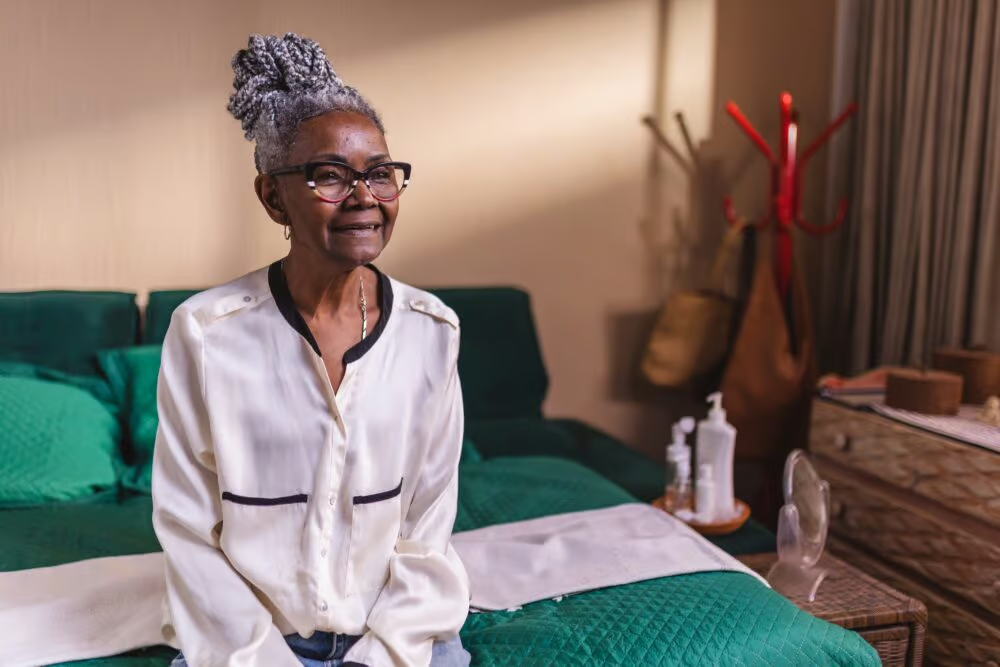
How Sleep Changes with Age
Sleep often becomes lighter and more fragmented as people get older. Nighttime waking can become more common, and sleep may not be as deep as it was earlier in life.
Not every sleep problem is due to age.
Older adults should talk with a healthcare professional about:
- Loud or persistent snoring
- Pauses in breathing during sleep
- Gasping or choking during sleep
- Excessive daytime sleepiness
- Persistent difficulty sleeping
- Regular dependence on sleep medications
Dementia Is Not a Normal Part of Aging
Dementia is an umbrella term for conditions that affect memory, thinking, and the ability to perform everyday activities. Alzheimer’s disease, vascular dementia, Lewy body dementia, and frontotemporal dementia are among the different forms.
Although dementia becomes more common with age, it is not an inevitable or normal part of aging.
Lifestyle and health factors—including physical activity, cardiovascular health, social engagement, and managing medical conditions—may help reduce or delay dementia risk.
Treatment has also changed. Medications have long been available to help manage some Alzheimer’s symptoms, and newer treatments can slow cognitive decline in some people with early Alzheimer’s disease. These treatments are not cures and are not appropriate for every person with dementia.
Hydration Becomes More Important with Age
Older adults may not experience thirst as strongly as younger people, increasing the risk of dehydration.
Dr. Hamrick recommends making hydration a regular part of the day rather than waiting until they feel thirsty.
People on dialysis or other medical conditions may receive specific instructions about fluid intake and should follow their healthcare provider’s recommendations.
Related Article: Cincinnati’s Oldest Black Residents
Preventing Falls in Older Adults
Falls become more common with age, but they should not simply be accepted as a normal consequence of getting older.
Several changes can affect balance, including:
- Reduced muscle strength
- Vision changes
- Neuropathy or reduced sensation
- Changes in proprioception, or the body’s ability to sense its position
- Slower communication between the feet, nervous system, and brain
New glasses or eye surgery can also temporarily affect depth perception and balance while the brain adjusts to changes in vision.
Strength and balance can be incorporated into everyday activities. Dr. Hamrick suggests simple activities such as:
- Practicing balance while brushing your teeth, when safe to do so
- Bending the knees while loading or unloading a dishwasher
- Practicing sideways walking
- Performing strengthening and balance exercises regularly
Anyone with significant balance problems or a history of falls should discuss appropriate exercises with a healthcare professional.
Greater Cincinnati residents can also find information about local fall-prevention programs at CincyFallPrevention.com, a resource included in Dr. Hamrick’s presentation.
Healthy Aging Is About Quality of Life
Healthy aging does not depend on one food, exercise, or supplement.
Dr. Hamrick’s recommendations emphasize a combination of behaviors: staying physically active, eating nutritious foods, managing medical conditions, sleeping well, maintaining relationships, reviewing medications, preventing falls, and continuing to find meaning and purpose.
Small choices practiced consistently throughout life can contribute to greater independence, function, and quality of life as people age.
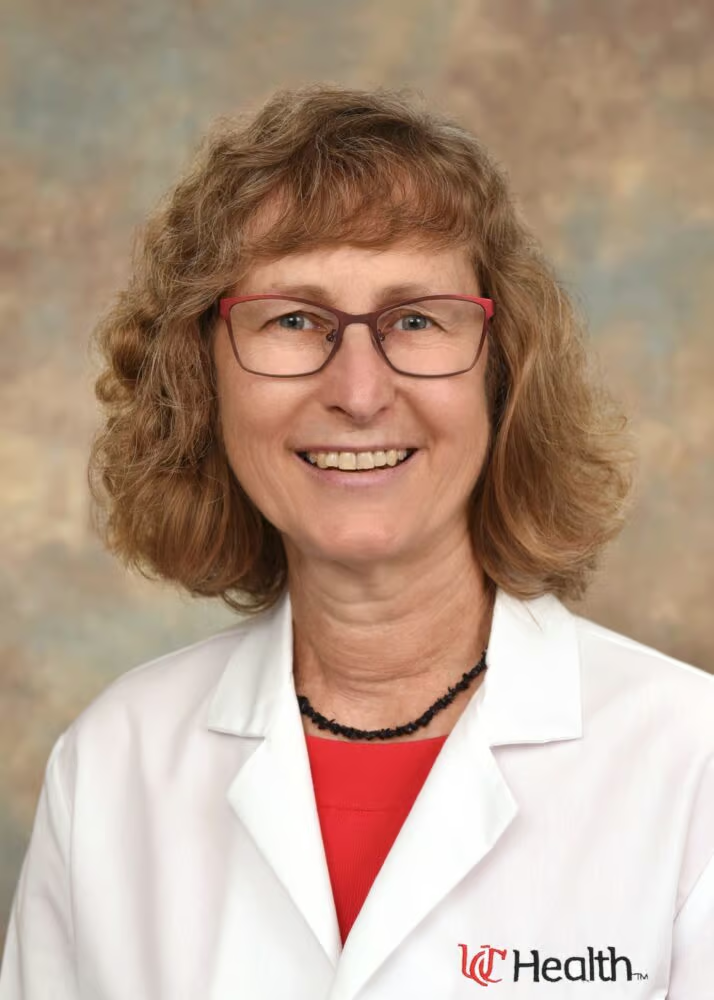
About Irene Hamrick, MD
Irene Hamrick, MD, is Professor Emerita at the University of Cincinnati and a Practical Geriatrician with PG-65, LLC. She shares research, educational information, blog posts, and videos about healthy aging at PG-65.com. Aging Healthy
This article is intended for educational purposes and is not a substitute for individualized medical advice. Readers should consult their healthcare professionals before making significant changes to medications, diet, supplements, exercise, or treatment plans.
The Voice of Black Cincinnati is a media company designed to educate, recognize, and create opportunities for African Americans. Want to find local news, events, job postings, scholarships, and a database of local Black-owned businesses? Visit our homepage, explore other articles, subscribe to our newsletter, like our Facebook page, join our Facebook group, and text VOBC to 513-966-3328.
Images provided by AdobeStock and Irene Hamrick, MD